Castle of Cardenete
Cuenca Castilla-La Mancha Spain
castle, chateau
Castillo de Cardenete
Cuenca Castilla-La Mancha Spain
castle, chateau
MAIN ATTRACTIONS
Upon visiting it, your attention will be drawn to the floor: this fortress from the 15th century doesn’t have a leveled floor, making it so that the doors cannot be opened nor closed
El castillo de Cardenete es una fortificación del municipio español de Cardenete, en la provincia de Cuenca
Previous names
Castle of Cardenete, Castillo de Cardenete
Description
MAIN ATTRACTIONS
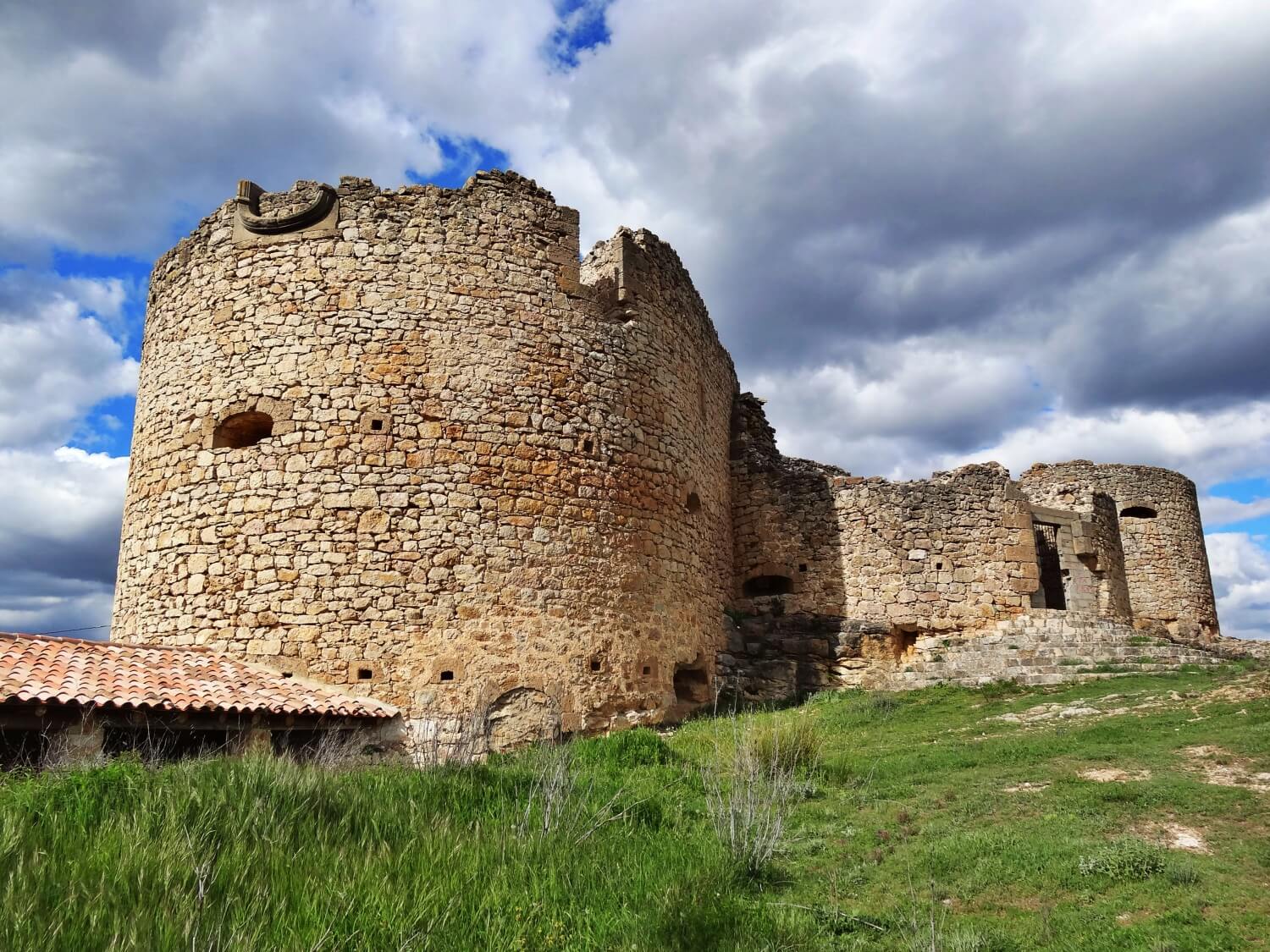
Upon visiting it, your attention will be drawn to the floor: this fortress from the 15th century doesn’t have a leveled floor, making it so that the doors cannot be opened nor closed. This leads us to believe that its construction was never finished. Its good state of conservation tells us of the strength of the original structures.
HISTORY AND DESCRIPTION
It preserves four towers, and the main evidence in its heights of a space in which the coat of arms would have been placed. A meter and a half above the floor we can see numerous embrasures and gun ports, designed for the use of arquebuses and cannons.
ACCESS
It is privately owned, so you can only visit the outside.
FUN FACTS
Andrés Cabrera, treasurer of Enrique IV, who promoted the construction of the fortress, had Jewish heritage, and its possible that he was aconverso(Jew converted to Christianity). His support of Isabel the Catholic so that she could obtain the throne of Castile earned him exaltation, becoming the Marquis of Moya.
http://en.www.turismocastillalamancha.es
El castillo de Cardenete es una fortificación del municipio español de Cardenete, en la provincia de Cuenca.
Descripción
El inmueble se encuentra en el término municipal conquense de Cardenete, en Castilla-La Mancha. Su construcción, que se remonta a la primera mitad del siglo xvi, fue promovida por Andrés Cabrera, primer marqués de Moya. Fue fortificado durante la Primera Guerra Carlista.
La fortaleza podría haber quedado protegida de forma genérica el 22 de abril de 1949, mediante un decreto publicado el 5 de mayo de ese mismo año en el Boletín Oficial del Estado con la rúbrica del dictador Francisco Franco y del ministro de Educación Nacional José Ibáñez Martín, que sostenía que «Todos los castillos de España, cualquiera que sea su estado de ruina, quedan bajo la protección del Estado».
Useful information
El acceso al castillo es gratis solo de su exterior
El acceso al castillo es gratis solo de su exterior
De propiedad privada, sólo puede visitarse el exterior.
-
External links